New stove, old chimney? Our explainer film on draught, sooting and chimney fires
A new stove does not automatically suit the existing chimney. In just under six minutes we explain what matters – with chapters you can jump to directly.
Anyone replacing an old stove with a new one usually wants to keep using the existing chimney. That often works, but not always. Modern stoves burn cleaner and more efficiently, producing less and cooler flue gas. This makes them much more sensitive to the chimney.
Stove and chimney have to match
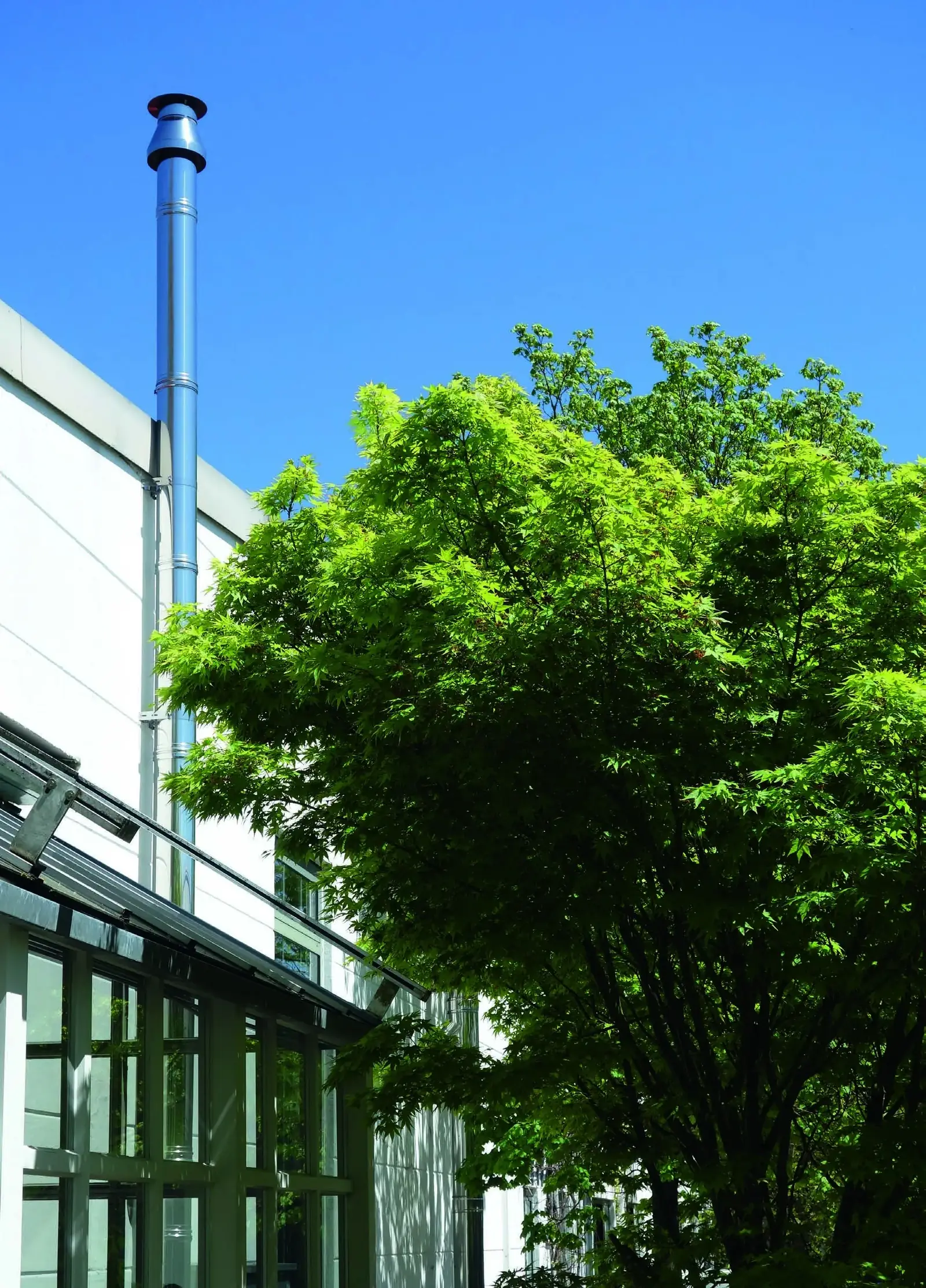
Every stove has three key values from the manufacturer: flue gas mass flow, flue gas temperature and required draught. These are compared with the height, cross-section, type and position of the chimney. With a chimney calculation we check whether the two match – ideally before the new stove is ordered.
What the film shows
- Too much draught: The wood burns too fast and the stove is overloaded. A draught stabiliser in the flue pipe or in the chimney helps, or a draft box fitted directly to the stove's flue outlet.
- Too little draught: Smoke pushes into the room when lighting the fire. A priming fire at the chimney's soot door often helps, or alternatively an electric chimney pre-heater. If the problem keeps coming back, a chimney fan is an option.
- Sooting: If the flue gas cools down too much in an oversized chimney, moisture, soot and acids condense. Relining the chimney with a suitable stainless steel or ceramic liner solves this.
- Chimney fire: It is rare and is caused by poor planning or incorrect operation. Dry wood, lighting the fire correctly and regular sweeping prevent it.
Your checklist for at home
For the calculation we need a few details about your chimney: internal dimensions, type, the height up to the top and ideally a photo of the chimney top. You can fill in the checklist with your appointment request. Anything you don't know we will clarify together.
Short answers can be found under Frequently asked questions.