Mild weather, poor draught: how to heat in the transitional season
In autumn and spring, lighting the fire produces smoke more often than in winter. Why the weather affects the chimney and which tricks still get the stove burning well.
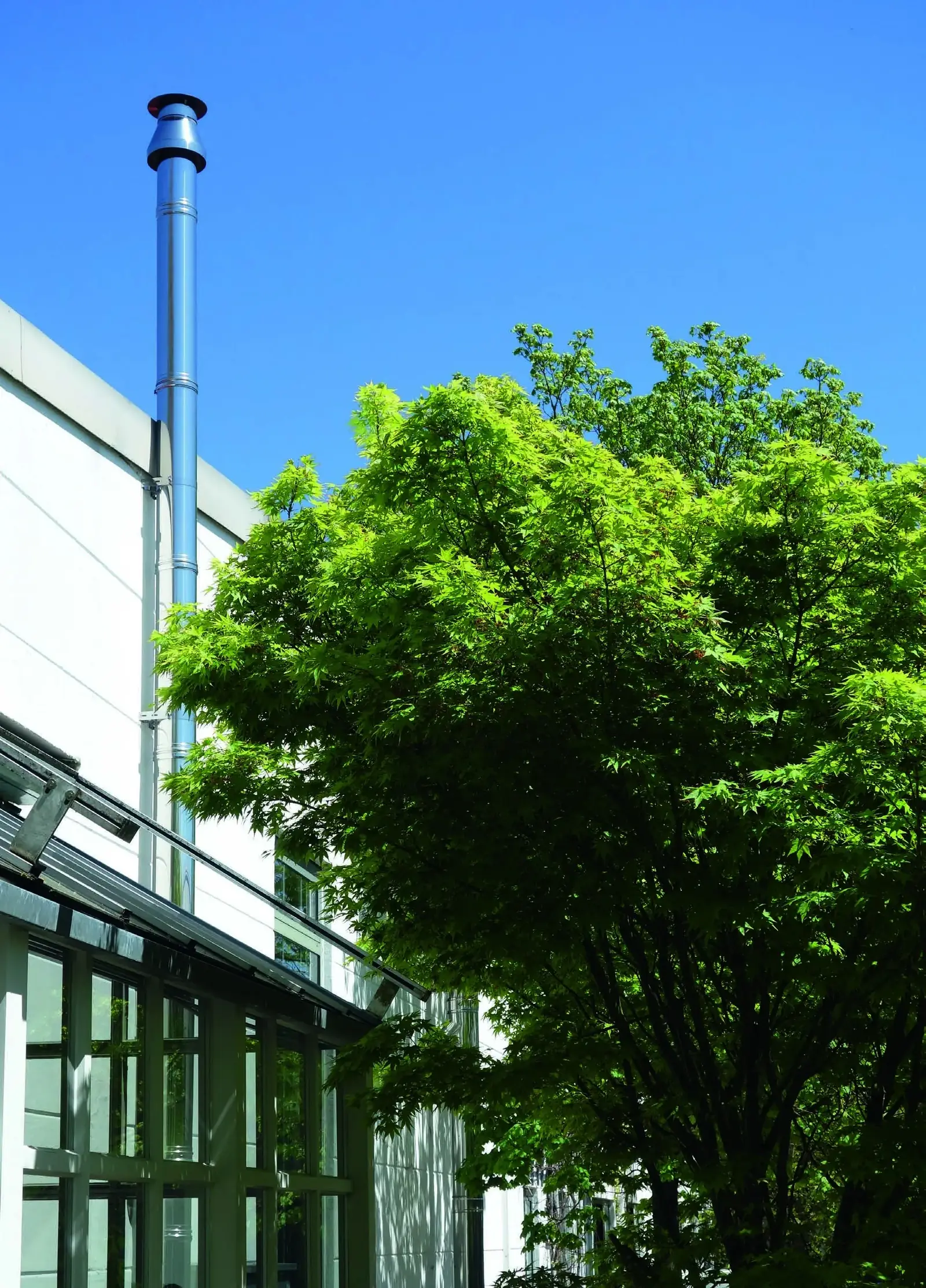
Many people know this: in January the stove burns as if by itself, yet on a mild October evening smoke pushes into the room when lighting it. The stove has not got any worse. It is down to the chimney draught. ## Where the draught comes from Warm flue gases are lighter than the outside air and rise up the chimney. The greater the temperature difference between inside and outside, the stronger the chimney draws. If it is mild outside and the chimney is still cold, this lift is missing at first. ## What else the weather does - Warm, humid days: The draught only gets going slowly. - Fog and no wind: The flue gases disperse less well, and sometimes the smoke hangs over the roof. - Storm: The draught can become far too strong, and the wood then burns down very quickly. - Cold chimney after a long break: After the summer it needs a little time to warm up. ## Tricks for a good start 1. Air briefly: Open a window in the room slightly during the lighting phase. This allows air to flow in. 2. Priming fire: Light one or two crumpled sheets of newspaper or some kindling directly at the top of the stove. The hot air warms the chimney and gets the draught going. Then light the fire as usual. 3. Light from the top, if your stove is designed for it. The fire catches more calmly and smokes less. 4. Small but hot: Rather thin, very dry wood and short, vigorous burns than one large log that smoulders away. 5. Leave the air open for a long time: Especially in the transitional season, only throttle once the fire is burning properly. ## In a storm If the chimney draws very strongly, turn the air supply down a little further than usual after lighting and add smaller amounts of wood. If your flue pipe has a damper, it can help. If in doubt, just ask us. ## When it is better not to light a fire On very mild, windless days with fog, a fire is often not worth it. It smokes more than it warms. If you have persistent draught problems, have your stove and chimney checked. Sometimes extending the chimney or a different chimney cowl is enough. We will gladly look at it together with your chimney sweep.